
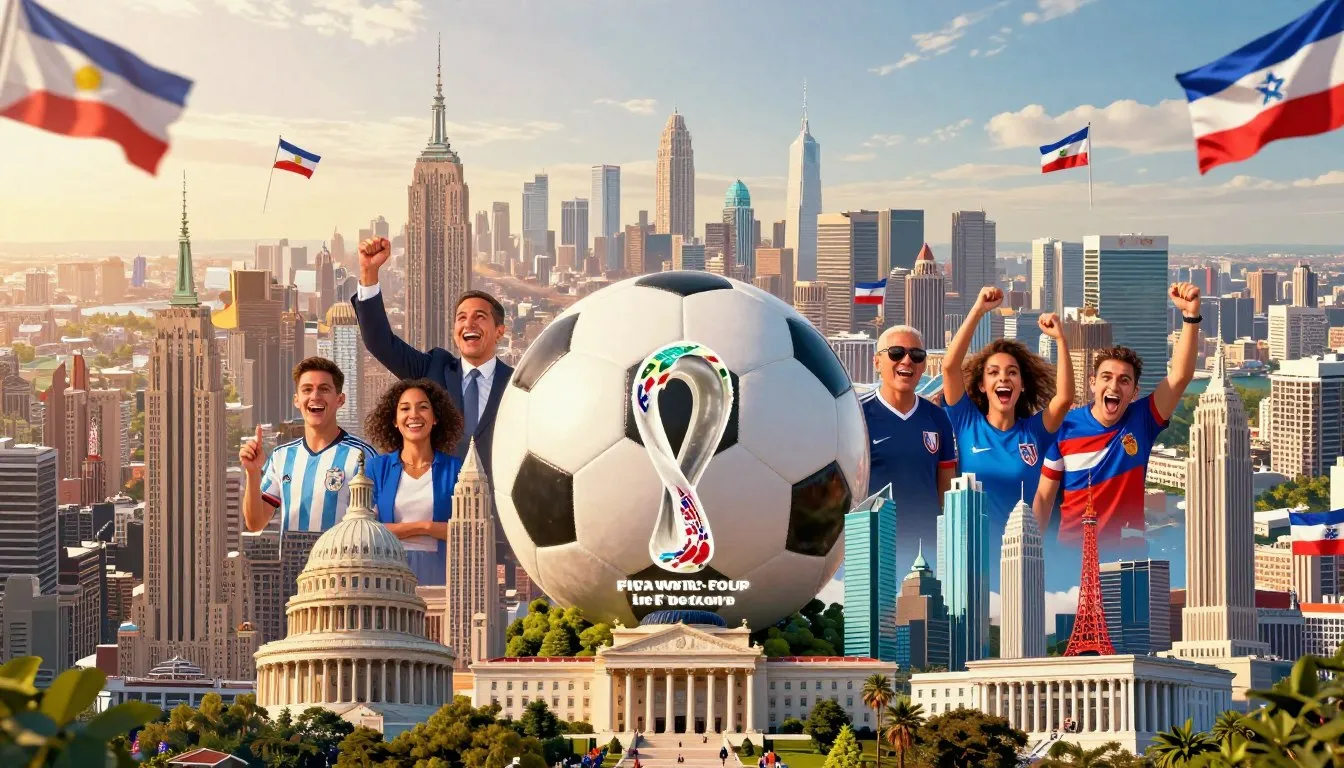
The anticipation is building as fans prepare for the biggest sporting spectacle on the planet. The upcoming world cup 2026 will bring together the best athletes to compete on a grand stage across North America. This historic tournament promises to be a game-changer for fans in the United States.
As a primary host, the nation is ready to showcase its passion for the beautiful game. Supporters are eager to learn more about the USA host cities that will welcome visitors from every corner of the globe. These locations will serve as the heartbeat of the competition, offering unique experiences for everyone involved.

Planning your trip requires a clear understanding of the match schedule to ensure you do not miss a single moment of the action. We are here to help you navigate these USA soccer events with ease. Get ready to witness history in the making as the excitement reaches a fever pitch.
Key Takeaways
- The tournament will be hosted across the United States, Canada, and Mexico.
- Major venues across the U.S. will provide a world-class experience for international fans.
- Understanding the venue locations is essential for planning your travel itinerary.
- The official calendar provides a roadmap for all upcoming games and knockout rounds.
- Fans should prepare for high demand and limited ticket availability for key matches.
The Evolution of the World Cup 2026 Tournament
The upcoming 2026 event marks a pivotal moment in the evolution of international soccer. Since its inception in 1930, the FIFA World Cup has grown from a modest competition into the most watched sporting event on the planet. This progression reflects the increasing passion for the beautiful game across every continent.
The 2026 edition represents a massive leap forward for the sport. By expanding the number of participating nations, organizers are ensuring that the soccer tournament reaches new heights of inclusivity and excitement. This growth highlights how the global soccer landscape has shifted to embrace a more diverse range of talent and fan bases.
The United States is uniquely positioned to host this prestigious event due to its world-class infrastructure and experience with large-scale entertainment. With massive stadiums and a deep-rooted culture of hosting major international gatherings, the U.S. provides the perfect stage for this expansion. Fans can expect an unparalleled experience that blends tradition with modern innovation.
To understand the scale of this change, we can look at how the tournament has expanded over the decades. The following table illustrates the growth in participation and reach that has defined the history of this competition.
| Era | Number of Teams | Global Impact |
|---|---|---|
| Early Years (1930-1950) | 13-16 | Regional Focus |
| Modern Era (1982-2022) | 24-32 | Worldwide Expansion |
| Future Vision (2026) | 48 | Massive Global Reach |
This trajectory proves that the FIFA World Cup is more than just a soccer tournament; it is a cultural phenomenon. As we look toward 2026, the focus remains on celebrating the spirit of international soccer while fostering unity through global soccer competition.
Understanding the Expanded Tournament Format
With the expansion to 48 teams, the FIFA World Cup is set to become the largest event in the history of the sport. This massive shift in the tournament format ensures that more nations than ever before have the chance to compete on the global stage. By increasing the number of participants, organizers are creating a more inclusive and diverse experience for fans of international soccer.
The world cup 2026 will feature a structure designed to maximize excitement from the very first whistle. Instead of the traditional format, teams will be divided into groups that lead into an expanded knockout phase. This change allows for a higher volume of matches, giving supporters more opportunities to witness high-stakes soccer tournament action across various host cities.
This new approach provides a clear path for teams to advance while maintaining the intensity that defines the FIFA World Cup. The structure is built to balance competitive integrity with the logistical needs of hosting such a vast soccer tournament. Fans can expect a fast-paced environment where every game carries significant weight for the participating nations.
| Feature | Previous Format | New 2026 Format |
|---|---|---|
| Total Teams | 32 Teams | 48 Teams |
| Group Stages | 8 Groups of 4 | 12 Groups of 4 |
| Knockout Start | Round of 16 | Round of 32 |
| Total Matches | 64 Matches | 104 Matches |
Ultimately, the world cup 2026 represents a bold step forward for international soccer. By refining the tournament format, officials have ensured that the competition remains fresh and engaging for a modern audience. This evolution guarantees that the FIFA World Cup will continue to be the pinnacle of the global game for years to come.
East Coast Host Cities and Stadium Venues
Iconic stadiums along the Atlantic seaboard are gearing up to host some of the most anticipated matches in history. These USA host cities offer a unique blend of modern infrastructure and passionate fan bases, ensuring that every visitor enjoys a world-class experience. As the tournament approaches, these venues are finalizing upgrades to meet the high standards required for elite USA soccer events.
MetLife Stadium in New York New Jersey
Located in the heart of the New York metropolitan area, this massive venue is a centerpiece for the tournament. It boasts a stadium capacity of over 82,500 spectators, making it one of the largest facilities in the country. Fans can expect state-of-the-art amenities and excellent public transit access from Manhattan.
Gillette Stadium in Boston
Home to legendary sports history, this venue provides an intimate yet electric atmosphere for soccer fans. The stadium capacity is approximately 65,800, ensuring that every seat offers a great view of the pitch. Visitors will appreciate the dedicated fan zones and the convenient location just outside the city center.
Lincoln Financial Field in Philadelphia
Philadelphia brings a rich cultural heritage to the tournament, paired with a top-tier facility. With a stadium capacity of nearly 68,000, this venue is perfectly suited for high-stakes matches. The stadium is known for its modern design and proximity to the vibrant downtown district.
Hard Rock Stadium in Miami
Miami offers a tropical backdrop for the tournament, featuring a venue that blends luxury with functionality. The stadium capacity reaches over 64,000, providing a comfortable environment for fans even in the warm climate. Its advanced cooling systems and premium seating options make it a standout choice for international visitors.
| Venue Name | City | Stadium Capacity |
|---|---|---|
| MetLife Stadium | New York/NJ | 82,500 |
| Lincoln Financial Field | Philadelphia | 68,000 |
| Gillette Stadium | Boston | 65,800 |
| Hard Rock Stadium | Miami | 64,000 |
Central Region Host Cities and Stadium Venues
Soccer enthusiasts will find that the Central Region offers some of the most technologically advanced stadium venues in the world. This area serves as a vital hub for fans traveling across the United States to witness history. By choosing these locations, visitors gain access to top-tier infrastructure and a truly electric atmosphere.

AT&T Stadium in Dallas
Located in Arlington, this massive arena is famous for its retractable roof and giant video board. It boasts a significant stadium capacity, allowing thousands of fans to gather for high-stakes matches. The sheer scale of this venue makes it a premier destination for any soccer traveler.
NRG Stadium in Houston
Houston provides a unique blend of Southern hospitality and modern sports engineering. The stadium features a versatile design that ensures a comfortable experience regardless of the weather. Fans often praise the seamless logistics that make navigating this part of the tournament a breeze.
Arrowhead Stadium in Kansas City
Known for its legendary noise levels, this venue brings an unmatched intensity to the tournament. It stands as a testament to the passion of local supporters who live for the game. Visiting this site offers a truly authentic experience for those who love a loud and energetic crowd.
Mercedes-Benz Stadium in Atlanta
This architectural marvel is widely recognized for its stunning aesthetic and sustainable design. It utilizes cutting-edge technology to enhance the viewing experience for every spectator. The stadium capacity is optimized to ensure that every seat offers a clear view of the action on the pitch.
Estadio BBVA in Monterrey
As a key international partner in the tournament, this stadium brings a distinct flair to the Central Region. It is nestled against a beautiful mountain backdrop, creating one of the most scenic views in professional sports. Many consider it a must-visit location among the various USA host cities and international partners involved in the event.
West Coast Host Cities and Stadium Venues
Soccer fans traveling to the West Coast will find a unique blend of modern stadium technology and vibrant local culture. These USA host cities offer more than just a place to watch a match; they provide an immersive experience for international visitors. Each location brings its own distinct energy to the tournament, ensuring that every fan feels the excitement of the global stage.
SoFi Stadium in Los Angeles
Located in Inglewood, SoFi Stadium is a marvel of modern engineering. It serves as a premier destination for stadium venues, boasting a massive seating capacity that can be adjusted for major soccer events. The facility is known for its state-of-the-art roof and high-definition video board, which creates an electric atmosphere for every spectator.
Levi’s Stadium in San Francisco Bay Area
The San Francisco Bay Area is ready to host world-class soccer at Levi’s Stadium. This venue is celebrated for its sustainable design and open-air layout, which takes full advantage of the pleasant California climate. With a significant stadium capacity, it provides ample space for thousands of fans to gather and cheer for their favorite teams.
Lumen Field in Seattle
Lumen Field is famous for its incredible acoustics and passionate fan base. Located in the heart of Seattle, this stadium offers a unique urban experience that is easily accessible via public transit. It stands as one of the most iconic stadium venues in the country, perfectly suited for the high-stakes matches of the 2026 tournament.
| Stadium Name | City | Approximate Capacity |
|---|---|---|
| SoFi Stadium | Los Angeles | 70,000+ |
| Levi’s Stadium | San Francisco | 68,000+ |
| Lumen Field | Seattle | 69,000+ |
Navigating the Official Match Schedule
Navigating the complex landscape of the upcoming tournament format is essential for every dedicated soccer fan. With matches spread across three countries, having a clear plan is the best way to ensure you do not miss a single moment of the action. Staying organized allows you to focus on the excitement of the game rather than the stress of planning.

Opening Match Details and Kickoff Locations
The journey begins with the highly anticipated opening ceremony and the first of the 2026 World Cup matches. Knowing exactly where and when these games occur is crucial for fans hoping to secure tickets early. You should regularly check the official FIFA portal to confirm kickoff times, as these can shift based on broadcasting requirements.
Most fans find it helpful to sync the official match schedule with their personal digital calendars. This simple step ensures you receive real-time updates if there are any changes to the venue or start times. Being prepared for the opening kickoff sets the tone for an unforgettable experience.
Group Stage Dynamics and Travel Logistics
The group stage features a high volume of games, making travel logistics a primary concern for those planning to follow a specific team. Because the tournament format involves teams moving between different host cities, you must account for flight times and local transit. Careful planning is the key to balancing your sightseeing with the demands of the match schedule.
When considering your travel logistics, look for regional hubs that offer easy access to multiple stadiums. Many fans choose to stay in central locations to minimize time spent in transit between the 2026 World Cup matches. By prioritizing efficient routes, you can maximize your time enjoying the vibrant atmosphere of the host cities.
Remember that the match schedule is designed to keep teams moving, so your itinerary should remain flexible. Always keep your travel documents and tickets in a secure, accessible place. Mastering these travel logistics will turn your trip into a seamless adventure as you watch the world’s best athletes compete.
Knockout Stage and Path to the Final
As the competition narrows, the path to the championship trophy becomes a thrilling journey through the most iconic stadiums in North America. The transition from group play to the knockout stage marks a significant shift in intensity, where every single game becomes a must-win scenario for the remaining teams.
Fans across the globe closely follow the match schedule to see which nations will survive the pressure of sudden-death soccer. This phase of the tournament is designed to test the endurance and tactical depth of the world’s elite squads.
Round of 32 and Round of 16 Highlights
The Round of 32 introduces a new level of urgency, as the field is cut in half during a whirlwind of high-stakes action. These 2026 World Cup matches are hosted across a diverse range of cities, ensuring that fans in different regions get to witness the drama of elimination firsthand.
Moving into the Round of 16, the quality of play reaches its peak. Teams that have survived the initial rounds must now prove their consistency under the bright lights of major American venues. Every goal carries immense weight, and the atmosphere in the stands becomes electric as supporters rally behind their national heroes.
Quarterfinals and Semifinals Venue Assignments
As the tournament progresses toward the final, the stakes reach an all-time high during the quarterfinals and semifinals. These matches are strategically assigned to some of the largest and most technologically advanced stadiums in the United States. The selection of these venues ensures that the final steps toward the championship are played on the grandest stages possible.
The following table outlines the progression of the tournament as it narrows down to the final two contenders.
| Tournament Phase | Number of Teams | Intensity Level | Primary Focus |
|---|---|---|---|
| Round of 32 | 32 | High | Survival |
| Round of 16 | 16 | Very High | Tactical Precision |
| Quarterfinals | 8 | Extreme | Elite Performance |
| Semifinals | 4 | Maximum | Path to Final |
Understanding the structure of these 2026 World Cup matches helps spectators appreciate the logistical complexity of the event. By the time the final four teams emerge, the entire world is watching the match schedule to see who will secure their place in history.
The Grand Finale at MetLife Stadium
The world will turn its eyes toward New Jersey when the final match kicks off at MetLife Stadium. This iconic venue serves as the ultimate stage for the most anticipated soccer event of the decade. Millions of fans will gather, both in the stands and across the globe, to witness history in the making.
The road to this moment is long and grueling for every team involved. After surviving the intense knockout stage, only two nations will earn the right to compete for the championship trophy. The atmosphere inside the stadium will be electric, fueled by the passion of supporters who have traveled thousands of miles to see their heroes play.
MetLife Stadium was selected for this honor due to its massive capacity and world-class infrastructure. It offers a premium experience for spectators, ensuring that the final match is remembered for its grandeur and flawless execution. Fans can expect a high-energy environment that celebrates the global spirit of the sport.
| Feature | MetLife Stadium | Standard Venue |
|---|---|---|
| Capacity | 82,500+ | 40,000 – 60,000 |
| Global Reach | High | Moderate |
| Event Status | Championship | Regular Season |
| Fan Experience | Premium | Standard |
Ultimately, the event represents more than just a game. It is a cultural phenomenon that unites people from diverse backgrounds under one roof. Whether you are a lifelong fan or a casual viewer, the energy at this venue will be truly unforgettable.
Travel and Fan Experience Tips for USA Visitors
Planning your visit to the United States for the world’s biggest soccer tournament involves more than just buying match tickets. To ensure a memorable fan experience, you should start organizing your trip well in advance. The scale of the country means that smart travel logistics are essential for moving between venues efficiently.
Securing Accommodations Near Host Cities
Finding the right place to stay is a top priority for international and domestic soccer fans. Because host cities will see a massive influx of visitors, booking your lodging early is highly recommended to secure the best rates and locations. Look for hotels or rentals that offer easy access to public transit hubs or shuttle services provided for the tournament.
Staying near the city center often provides the best balance between match-day convenience and local entertainment. Many visitors find that proximity to light rail or subway lines significantly improves their overall soccer travel experience. Consider these tips for your search:
- Use official tournament travel portals for verified lodging options.
- Check the distance between your hotel and the stadium using local transit maps.
- Look for neighborhoods with high walkability to save on daily commuting costs.
Transportation Options Between Stadiums
Navigating the United States requires a clear understanding of the available transit networks. While domestic flights are the fastest way to cover long distances between host cities, trains and rental cars offer more flexibility for shorter trips. Travel logistics can be complex, so mapping out your route between matches is a vital step for every visitor.
“The journey is just as important as the destination when you are traveling across a country as diverse and vast as the United States.”
For local movement, many host cities are upgrading their public transportation to accommodate the surge in soccer fans. Utilizing these systems helps you avoid traffic congestion and parking challenges near the stadiums. Prioritizing a seamless fan experience will allow you to focus on the excitement of the matches rather than the stress of the road.
Economic and Cultural Impact on Host Communities
Beyond the excitement on the pitch, the tournament serves as a massive catalyst for local growth and cultural exchange. Hosting the World Cup 2026 is set to transform the economic impact of cities across the United States. As soccer fans from around the globe arrive, they bring a wave of new opportunities for local businesses and service providers.
The influx of international visitors encourages significant infrastructure development, ranging from improved public transit to modernized hospitality venues. These upgrades provide a lasting legacy that benefits residents long after the final match concludes. By prioritizing a high-quality fan experience, cities can ensure that visitors return for years to come.
Furthermore, the tournament fosters a deeper connection between local residents and the global soccer community. This soccer travel boom allows diverse cultures to mingle, creating a vibrant atmosphere in every host city. Local host communities gain international exposure, which helps boost tourism and long-term investment.
The following table outlines the primary areas where host cities expect to see the most significant growth during the tournament period:
| Impact Category | Primary Benefit | Long-term Outcome |
|---|---|---|
| Local Business | Increased Revenue | Job Creation |
| Infrastructure | Transit Upgrades | Improved Mobility |
| Tourism | Global Exposure | Increased Visitors |
| Community | Cultural Exchange | Social Unity |
Ultimately, the success of the event relies on how well these regions integrate the needs of soccer fans with their existing urban planning. By focusing on a positive fan experience, cities can maximize their economic impact. This strategic approach ensures that soccer travel remains a cornerstone of the region’s future development and global reputation.
Conclusion
The World Cup 2026 stands as a transformative event that unites the world through the passion of global soccer. This tournament represents a massive milestone for the United States, Canada, and Mexico as they welcome fans from every corner of the globe.
The positive economic impact will resonate across these regions for years to come. Local businesses and infrastructure projects gain momentum as the tournament approaches. These host communities prepare to showcase their unique culture and hospitality to millions of visitors.
Every match brings us closer to the highly anticipated final match at MetLife Stadium. This historic showdown will define the legacy of the tournament for a new generation of supporters. Fans who plan their travel and logistics early will enjoy a seamless experience during this massive celebration.
Keep this guide handy as you prepare for your own journey to the stadiums. We look forward to seeing how this event shapes the future of the sport. Share your excitement with fellow fans and get ready to witness history in the making.
FAQ
Which countries are hosting the FIFA World Cup 2026?
The 2026 edition is a historic collaboration, as it will be the first time the tournament is hosted by three nations: the United States, Canada, and Mexico. While matches are spread across North America, the USA will host the majority of the games, including the high-stakes knockout rounds.
How many teams are participating in the new expanded format?
For the first time in history, the FIFA World Cup will feature 48 teams. This expanded tournament format allows more nations to compete on the global stage, resulting in a total of 104 thrilling matches across the three host countries.
Where will the World Cup 2026 Final take place?
The grand finale of the tournament will be held at MetLife Stadium in East Rutherford, New Jersey. Located just minutes from New York City, this iconic venue was selected for its massive seating capacity and world-class infrastructure to host the most-watched sporting event on the planet.
Which cities are serving as host venues on the East Coast?
Fans on the East Coast can catch the action at several legendary locations, including Gillette Stadium in Boston, Lincoln Financial Field in Philadelphia, and Hard Rock Stadium in Miami. Of course, the New York New Jersey area will also be a central hub for major matches.
What stadiums are part of the Central Region host cities?
The Central Region features some of the most technologically advanced stadiums in the world. Key venues include AT&T Stadium in Dallas, NRG Stadium in Houston, Arrowhead Stadium in Kansas City, and Mercedes-Benz Stadium in Atlanta. Additionally, Estadio BBVA in Monterrey, Mexico, is a vital part of this regional cluster.
Can I watch World Cup matches on the West Coast?
Absolutely! The West Coast will be buzzing with energy at SoFi Stadium in Los Angeles, Levi’s Stadium in the San Francisco Bay Area, and Lumen Field in Seattle. These venues are known for their incredible atmospheres and proximity to major transit hubs.
How does the knockout stage differ with the 48-team expansion?
With more teams qualifying, the knockout stage now begins with a Round of 32. This adds an extra layer of intensity before moving into the Round of 16, Quarterfinals, and Semifinals, ensuring fans get even more “win or go home” drama.
What is the best way to handle travel and accommodations between matches?
Because host cities are spread across a vast area, we recommend booking accommodations near major transit hubs early. Utilizing domestic flights and local transportation options like rideshares or light rail near venues such as Mercedes-Benz Stadium or SoFi Stadium will help ensure a seamless fan experience.
How will the World Cup 2026 impact the local host communities?
Beyond the sport, the tournament is expected to generate a massive economic impact, stimulating tourism and local businesses in every host city. It also fosters a unique cultural exchange, bringing together the global soccer community and leaving a lasting legacy of infrastructure and passion for the game in the United States.